
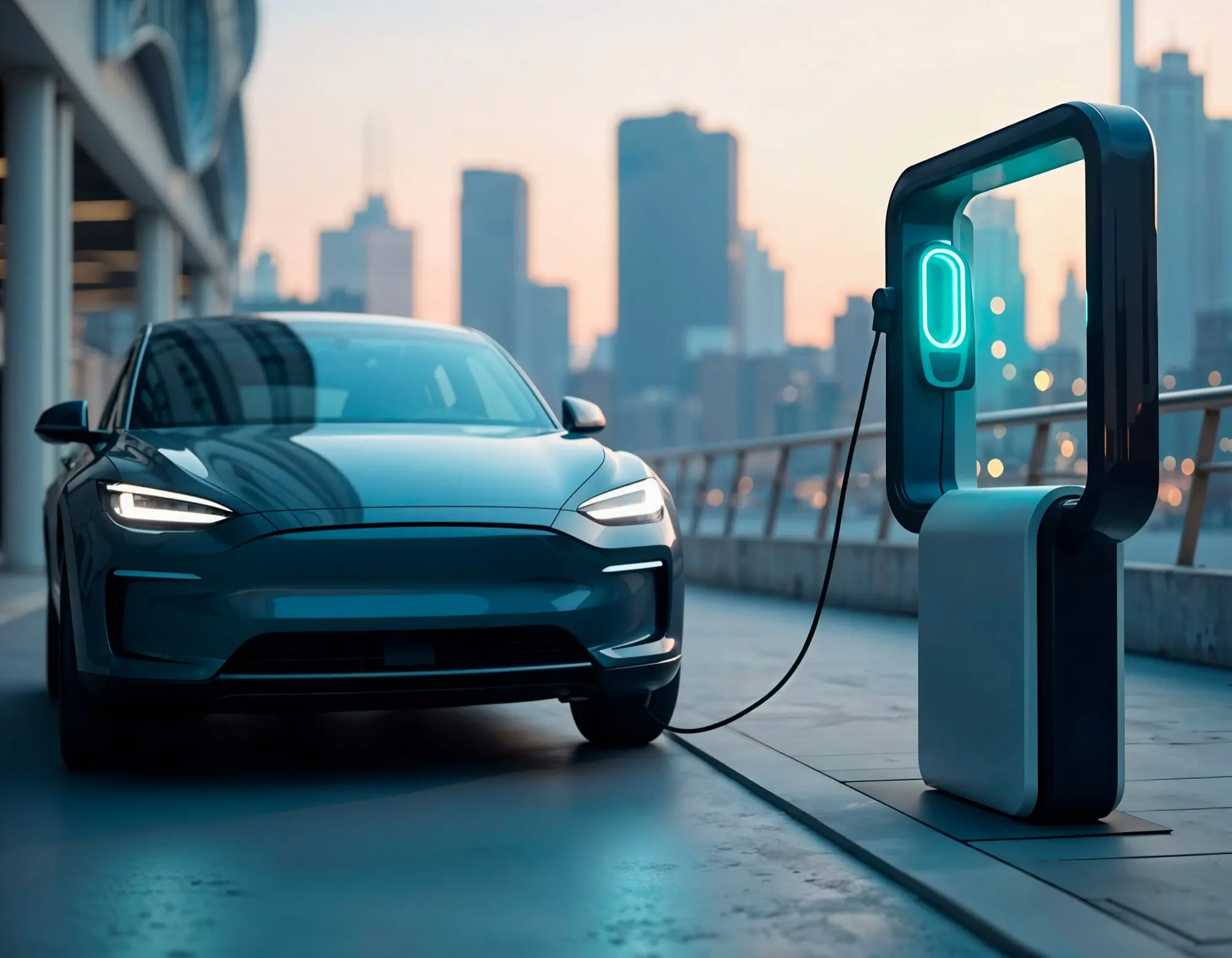
The rapid global shift toward electric mobility is transforming not only the automotive industry, but also the way cities, businesses, and consumers think about energy. As electric vehicle adoption accelerates, the demand for more advanced, reliable, and accessible charging infrastructure has never been higher. The period between 2025 and 2030 is expected to become a defining chapter in this evolution, driven by technological breakthroughs, smarter grid integration, and bold government initiatives around the world.
Charging networks are expanding, software-driven optimization is reshaping how energy is distributed, and entirely new formats of charging — from bi-directional power flow to fully wireless systems — are moving from concept to reality. This coming decade will determine how seamlessly EVs fit into everyday life and how effectively countries can support the transition to clean transportation.
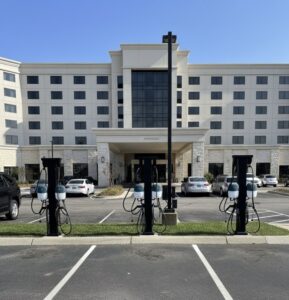
One of the most significant developments shaping the future of electric mobility is the rapid expansion of both public and commercial charging networks. As EV adoption accelerates, cities, businesses, and private operators are investing heavily in creating dense, convenient, and reliable charging ecosystems. Public charging stations are becoming more accessible in urban centers, along highways, and even in rural areas, ensuring that drivers have the confidence to travel longer distances without concern for where they will power up.
Commercial properties—such as office buildings, hotels, shopping centers, and logistics hubs—are also emerging as key players in this transformation. By installing charging stations on their premises, businesses not only support customer and employee needs but also position themselves competitively in a market that increasingly values sustainability and convenience. This expansion is essential to accommodate the growing number of electric vehicles and reduce pressure on existing infrastructure, helping advance mass EV adoption worldwide.
Governments and regulatory bodies are accelerating this growth by offering a wide range of incentives designed to support the development of charging networks. These may include subsidies for installation, tax credits, low-interest financing, grants for large-scale infrastructure projects, and reduced permitting requirements. Such measures significantly lower the financial barriers associated with expanding charging capacity, making it more feasible for both small businesses and major corporations to invest in modern solutions.
In addition to direct financial support, many countries are adopting policies that require new buildings, parking facilities, and commercial developments to include dedicated charging spaces. This regulatory push ensures long-term infrastructure availability while encouraging private-sector participation. Combined, these incentives create momentum that will drive continuous expansion of charging networks through 2030, making EV ownership more practical and appealing for millions of drivers.
As electric mobility enters a new phase of technological maturity, smart charging is becoming a cornerstone of modern infrastructure development. Today’s ev charging companies are investing heavily in advanced software solutions that make charging more efficient, predictable, and cost-effective. These systems can dynamically manage power distribution, reduce strain on the grid during peak hours, and ensure that stations operate at optimal capacity. Smart algorithms analyze energy demand, user behavior, and even weather patterns to adjust charging speeds and energy allocation in real time.
Digital optimization also plays a crucial role in improving the user experience. Enhanced mobile apps, real-time station availability, predictive maintenance alerts, integrated payment systems, and intelligent scheduling capabilities enable seamless charging for drivers and businesses alike. As the ev charging future moves toward greater connectivity, charging networks will become increasingly automated, self-regulating, and data-driven. This shift not only helps stabilize the electrical grid but also ensures that the growing number of EVs can be supported efficiently and sustainably across both public and commercial environments.
Bi-directional charging, also known as Vehicle-to-Grid (V2G), is set to become one of the most influential developments shaping the future of ev charging infrastructure. Unlike traditional charging, which transfers energy only into the vehicle, V2G technology enables electric cars to send excess power back to the grid or supply electricity to homes and buildings when needed. This transforms EVs into mobile energy storage units capable of supporting grid stability and reducing peak-time demand.
In the coming years, V2G will be a crucial component of ev charging station infrastructure, creating a more interactive and flexible relationship between EVs and the energy network. For businesses and utilities, this technology offers opportunities to lower energy costs, sell surplus power, and better integrate renewable sources into daily operations. For EV drivers, it opens the possibility of monetizing stored energy and participating directly in grid support initiatives.
As adoption expands, bi-directional charging will play a central role in improving energy resilience and efficiency by 2030, making charging systems smarter, more sustainable, and more adaptive to the needs of both users and the power grid.
The integration of renewable energy with electric vehicle charging is rapidly becoming a cornerstone of sustainable transportation. Solar, wind, and other green energy sources are increasingly being paired with ev charging station installations to reduce dependency on traditional power grids and lower operational costs. This approach not only supports environmental goals but also enhances the reliability and efficiency of charging networks, ensuring consistent service even during peak demand periods.
Looking ahead, the future of ev charging stations will likely rely heavily on hybrid systems that combine renewable generation with battery storage and smart energy management. By storing excess energy during off-peak periods and distributing it when needed, these systems can stabilize the grid, reduce emissions, and create a more resilient infrastructure. Businesses, municipalities, and developers that adopt these solutions are positioning themselves at the forefront of sustainable mobility while preparing for the growing demands of the EV market.
Wireless and automated charging technologies are set to redefine convenience and efficiency in the electric vehicle sector. Inductive charging systems, which allow vehicles to charge without physical cables, are becoming increasingly viable for urban environments, parking lots, and commercial hubs. In addition, robotic and automated charging solutions are being developed for fleets, reducing human intervention and streamlining operations for logistics and public transportation networks.
The period between 2025 and 2030 promises to be transformative for electric vehicle charging infrastructure. Rapid expansion of public and commercial networks, the rise of smart and automated charging solutions, the integration of renewable energy, and innovations like bi-directional and wireless charging are reshaping the way EVs interact with the grid and with businesses. These developments not only improve convenience and efficiency for drivers but also create new opportunities for sustainability, cost savings, and long-term planning.
As technology advances and adoption grows, companies, municipalities, and policymakers will play a crucial role in shaping the future of ev charging. Investing in modern ev charging infrastructure, embracing renewable energy integration, and exploring innovative charging technologies will ensure that the EV ecosystem is resilient, efficient, and accessible. By preparing today, stakeholders can secure a cleaner, smarter, and more connected mobility landscape for tomorrow.