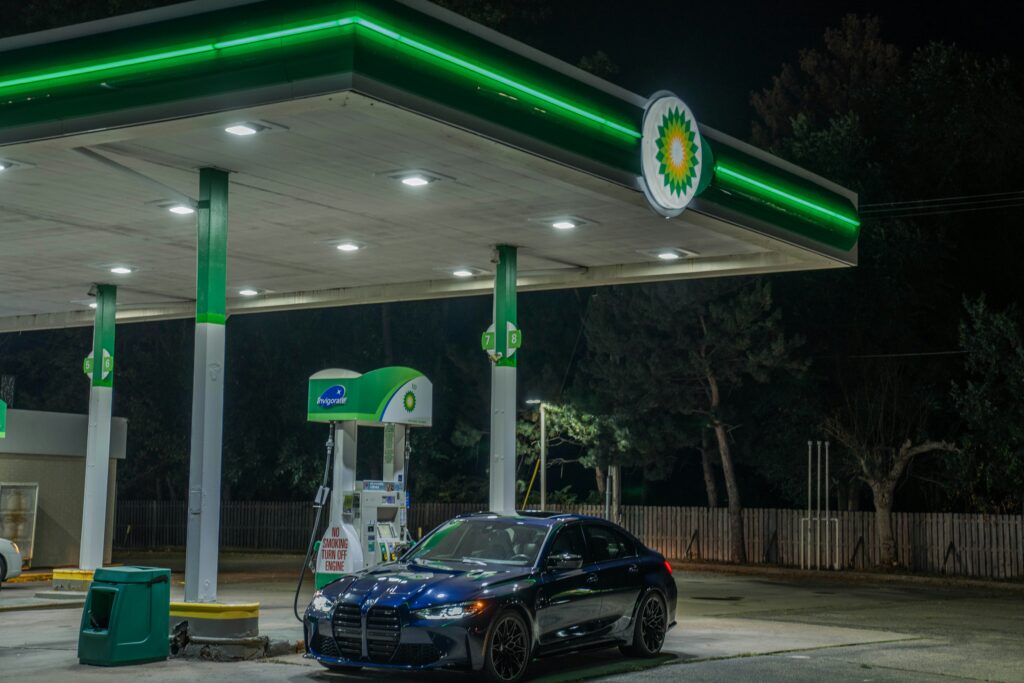
Choosing between an electric vehicle and a gasoline-powered car is no longer just about technology or environmental impact. For many drivers in the United States, the deciding factor is cost. With fluctuating gas prices and varying electricity rates, it’s natural to ask: is it cheaper to charge an electric car or buy gas? The answer […]
As electric vehicle adoption continues to grow, more companies are recognizing the value of offering charging at work. However, installing chargers is only one part of the process. Businesses also need to evaluate employee demand, available electrical capacity, parking layouts, and future expansion before making an investment. Knowing how to plan EV charging stations for […]
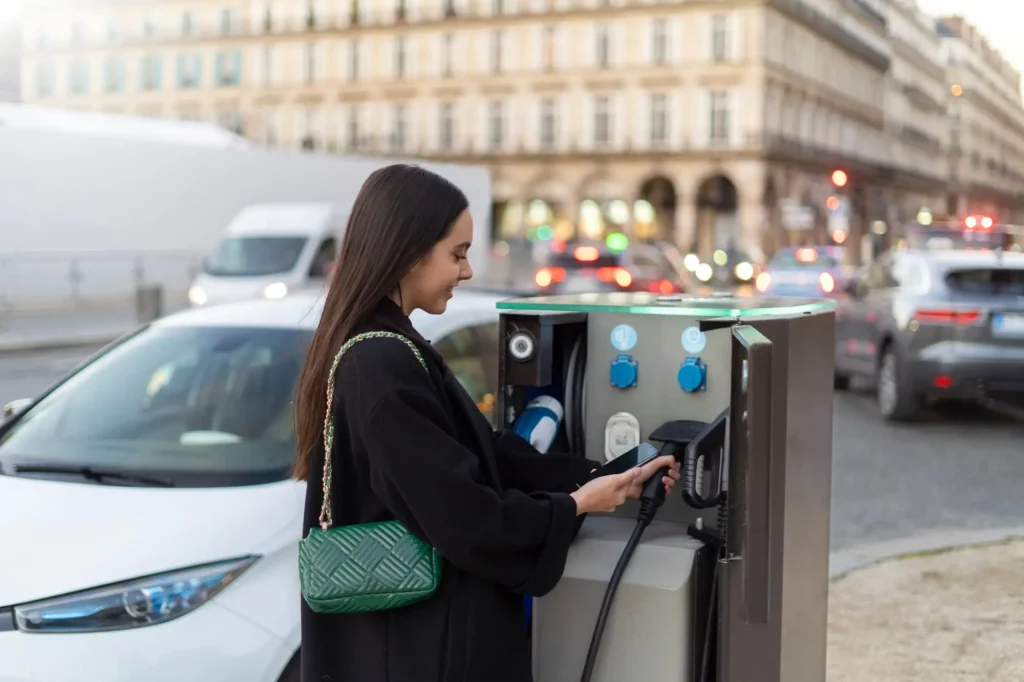
Electric vehicles (EVs) are becoming a common choice for both private drivers and commercial fleets, making it increasingly important to understand how the charging process works. Whether you’re installing a home charger, planning a workplace solution, or managing multiple charging points, knowing the basics helps you make informed decisions. What Is EV Charging? EV charging […]
As more drivers switch to electric vehicles, one of the most common questions is how long charging will actually take. While Level 2 charging is significantly faster than plugging into a standard household outlet, the exact charging time depends on several factors, including battery capacity, charger output, and the vehicle’s onboard charging capabilities. What Is […]
Why EV Charging Connectors Matter? Every electric vehicle relies on an EV charging connector to transfer power safely and efficiently from a charging station to the battery. While the charging process itself is straightforward, the connector used can vary depending on the vehicle, charging method, and region. Unlike conventional fuel pumps, EV charging infrastructure has […]
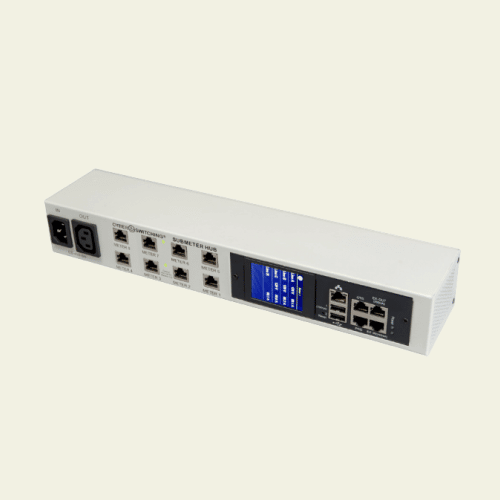
Notification Date October 1st, 2026 Dear Valued Customer, We wish to inform you that Cyber Switching will discontinue the production of certain products as part of our strategy to reduce costs, promote growth, and adapt to changing market conditions. Our focus will now shift to Electric Vehicle (EV) Charging Solutions, Power Distribution Units (PDU), […]
What Are AC and DC Power? Electric vehicles rely on two types of electrical current: alternating current (AC) and direct current (DC). While both are essential to EV operation, they serve different purposes during the charging process. Alternating current electricity reverses its direction many times per second and is the standard form of power supplied […]
As electric vehicle adoption continues to accelerate, many businesses and property owners are exploring EV charging as a potential revenue-generating opportunity. From retail centers and hotels to apartment communities and commercial parking facilities, charging stations are becoming a valuable amenity that can attract customers and create new income streams. However, profitability depends on more than […]
Electric Vehicle Supply Equipment (EVSE) is a critical part of the electric vehicle charging ecosystem. As EV adoption continues to grow, businesses, property owners, and drivers are investing in charging infrastructure that supports safe and efficient energy delivery. While many people refer to EVSE as a charger, the term actually covers the equipment that connects […]
Powering an electric vehicle is about more than simply plugging it in when the battery gets low. The time of day you recharge can affect electricity costs, convenience, energy efficiency, and even how easily you can access available EV stations. Many EV owners wonder whether it is better to charge during the day or at […]
The electric vehicle (EV) market has experienced significant growth in recent years, and the infrastructure sector is evolving just as quickly. What was once a relatively limited network of electric vehicle stations has transformed into a rapidly expanding ecosystem designed to support millions of EV drivers. Today, network operators are investing in faster technology, smarter […]
Designing an EV charging station is not just about buying chargers and finding an open corner of your parking lot. Done properly, it is a deliberate design process — one that considers how drivers move through your property, where power is available, how many vehicles need to charge at once, and how the station will […]
As electric vehicle adoption continues to accelerate, new technologies are changing how energy is generated, stored, and consumed. One of the most significant developments is bidirectional charging, a capability that allows electricity to flow both to and from an electric vehicle battery. Traditionally, EV charging has been a one-way process where electricity moves from the […]
As the adoption of electric vehicles continues to grow across North America, understanding connector standards has become increasingly important for drivers, businesses, property owners, and fleet operators. Not all EV plugs use the same connector design. Different manufacturers rely on specific standards that determine vehicle compatibility, power delivery capabilities, and access to public infrastructure. While […]
You just bought an electric vehicle, or you’re seriously considering one. And somewhere between test drives and range estimates, a new question comes up: what kind of charger do I actually need? It sounds simple enough. You plug it in, it charges. But the moment you start researching, you run into Level 1, Level 2, […]
DC fast charging is one of the key technologies driving the growth of electric vehicles worldwide. As more drivers switch to EVs, the need for faster and more efficient charging continues to increase. Traditional charging methods can take several hours to fully recharge a battery, while DC fast charging is designed to dramatically reduce that […]