
Home / EV Charging News / How and When to Use DC Fast Charging
DC fast charging has become one of the most important technologies supporting the rapid growth of electric vehicles. By delivering high-power direct current straight to an EV’s battery, it enables drivers to recharge in a fraction of the time compared to traditional charging methods. This makes it especially valuable for long-distance travel, busy schedules, and situations where time is limited.
However, despite its speed and convenience, DC fast charging is not always the best or most efficient option for everyday use. Factors such as cost, battery health, and charging availability all play a role in determining when it should be used. Understanding how and when to rely on DC fast charging helps EV owners make smarter decisions, reduce unnecessary expenses, and extend the lifespan of their vehicle’s battery.
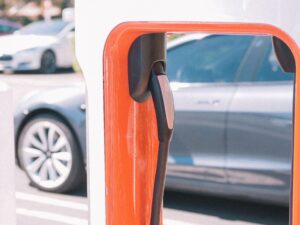
DC Fast Charging (Direct Current Fast Charging) is a high-speed electric vehicle charging method designed to deliver large amounts of energy to an EV battery in a short period of time. Unlike standard AC charging, where electricity is converted inside the vehicle, DC fast charging supplies direct current directly to the battery, significantly increasing charging speed and efficiency.
DC fast charging is the fastest widely available EV charging method, designed to minimize charging time and provide maximum convenience for drivers who need quick and efficient energy replenishment.
| Long-Distance Travel | One of the most common and practical uses of DC fast charging is during road trips. When driving between cities or across long distances, drivers may need to recharge quickly and continue their journey without long delays. DC fast charging allows for rapid top-ups along highways, making extended travel more convenient. |
| Low Battery Situations | DC fast charging is especially useful when the battery level is unexpectedly low and there is a need for a quick recharge. Instead of waiting several hours for Level 2 charging, drivers can get enough range in a short stop to reach their destination or the next charging point. |
| Time-Sensitive Schedules | For drivers with tight schedules, such as business trips or daily commuting with limited time, DC fast charging provides a fast solution. It is ideal when waiting for a slower charging option is not practical. |
| Urban Drivers Without Home Charging | Some EV owners, especially those living in apartments or urban areas without private charging access, may rely on DC fast charging as a backup solution. While not ideal for daily use, it can help maintain mobility when other options are limited. |
| Commercial and Fleet Operations | DC fast charging is widely used in commercial settings such as taxis, delivery vehicles, and logistics fleets. These vehicles require minimal downtime to maintain productivity, making fast charging an essential part of their operation strategy. |
| Daily Home Charging | DC fast charging is not designed for everyday use at home. For routine charging, Level 2 AC charging is more suitable because it is slower, more affordable, and better aligned with overnight charging habits. Using DC fast charging daily would be unnecessarily expensive and inefficient. |
| Overnight or Long Parking Periods | If your vehicle will be parked for several hours or overnight, there is no need to use DC fast charging. Level 2 charging is a better option in these cases because it allows the battery to charge gradually without requiring high-power infrastructure. |
| Routine Top-Ups | For small, regular increases in battery charge during the day, DC fast charging is often excessive. In such cases, slower charging methods are more cost-effective and place less strain on charging infrastructure. |
| When Cost Efficiency Is a Priority | DC fast charging is generally more expensive per kilowatt-hour compared to AC charging. If saving money is a priority and time is not a constraint, it is better to avoid fast charging and use Level 2 charging instead. |
| Frequent Use Scenarios | While modern EVs are designed to handle fast charging safely, relying on DC fast charging too frequently is not ideal for long-term battery optimization. It should be used strategically rather than as a primary charging method. |
DC fast charging is one of the most advanced and convenient EV charging methods available today. However, like any technology, it comes with both advantages and limitations that drivers should understand before relying on it regularly.
1. Charge Up to Around 80%. DC fast charging is fastest when the battery is at a low to medium state of charge. After around 80%, the charging speed slows down significantly to protect the battery. For this reason, it is usually more efficient to charge only up to 80% unless you specifically need a full range.
2. Plan Your Charging Stops in Advance. On long trips, it’s a good idea to plan where and when you will charge. Using navigation apps or EV charging maps helps you locate fast chargers along your route and avoid unnecessary delays or congestion at stations.
3. Use DC Fast Charging Only When Necessary. DC fast charging should be reserved for situations where time is important, such as road trips, emergencies, or tight schedules. For daily charging, Level 2 AC charging is usually more cost-effective and battery-friendly.
4. Monitor Battery Temperature. Charging speed and efficiency can be affected by battery temperature. Most modern EVs manage this automatically, but it is still useful to be aware that extreme heat or cold may slow down charging performance.
5. Combine with Level 2 Charging. A balanced charging strategy works best. Use Level 2 charging for everyday needs and DC fast charging for long-distance travel or urgent situations. This approach helps reduce costs and extend battery life.
6. Avoid Back-to-Back Fast Charging When Possible. Repeated fast charging sessions in a short period can increase battery heat. While occasional use is safe, allowing time between fast charging sessions helps maintain optimal battery health.
DC fast charging is most effective when used strategically. By charging smartly, planning ahead, and combining it with slower charging methods, EV drivers can save time, reduce costs, and support long-term battery performance.