
Home / EV Charging News / What You Need to Know About the Cost of Upgrading Your Electrical Panel
As homes add electric vehicles, heat pumps, smart appliances, and solar systems, electrical demand continues to increase. Many older electrical systems were not designed to support today’s energy requirements, making an upgrade an important consideration for homeowners.
Understanding the factors that influence the overall expense can help you plan your budget, avoid unnecessary work, and determine whether a full upgrade is truly required. At CyberSwitching, homeowners, property managers, and businesses can explore solutions that help optimize electrical capacity for modern EV infrastructure.
The total expense depends on the size of the existing system, local labor rates, permit requirements, and whether additional electrical work is needed.
In many cases, homeowners can expect to pay anywhere from several hundred to several thousand dollars, depending on the complexity of the project. Upgrading an older home with outdated wiring generally costs more than replacing a relatively modern panel.
The final price may include:
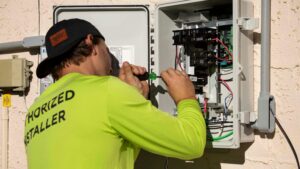
The best way to estimate your project is through an on-site evaluation by a licensed electrician.
A home’s electrical system should safely support both current and future power demands. An upgrade may become necessary when the existing capacity is no longer sufficient.
Common reasons include:
While these situations often require additional capacity, they do not always mean a complete replacement is necessary.
Several factors influence the final project budget.
The following table shows typical project components that may contribute to the overall expense.
| Project Component | Typical Cost Impact |
|---|---|
| New electrical panel | Moderate to High |
| Professional labor | Moderate to High |
| Permit fees | Low to Moderate |
| Utility disconnect/reconnect | Low to Moderate |
| Wiring modifications | Varies by home |
| Grounding improvements | Moderate |
| Inspection | Low |
| Total project | Depends on project complexity |
Actual pricing depends on your property’s existing electrical infrastructure and local market conditions.
Sometimes the work extends beyond replacing the panel itself.
If your home requires additional electrical capacity from the utility company, the project may include a service upgrade involving:
Because these improvements involve both the home’s electrical system and the utility connection, they generally increase the overall project budget.
Not necessarily.
Many homeowners assume an EV charger automatically requires a larger panel, but that isn’t always the case. Whether an upgrade is necessary depends on:
In many situations, a professional load calculation shows that the existing electrical service can safely support additional equipment.
Instead of increasing electrical capacity, some properties can make better use of the capacity already available.
Modern load management systems monitor real-time electricity demand and automatically balance available power among connected devices. This approach helps prevent overloads while avoiding unnecessary electrical work.
Solutions such as the EV Management Controller (EVMC) allow multiple EV chargers to share available electrical capacity intelligently. For many commercial buildings, multifamily properties, and workplaces, this can significantly reduce infrastructure expenses while supporting future expansion.
While only a licensed electrician can determine whether an upgrade is required, several warning signs suggest that your electrical system should be evaluated.
These include:
Ignoring these symptoms may increase safety risks and reduce the reliability of your home’s electrical system.
Depending on the property, a smart energy management solution may reduce the need for major electrical upgrades.
| Option | Full Panel Replacement | Smart Load Management |
|---|---|---|
| Initial investment | Higher | Lower in many projects |
| Installation time | Longer | Typically faster |
| Utility coordination | Often required | Sometimes unnecessary |
| Electrical construction | Extensive | Minimal |
| Future EV expansion | Good | Excellent for multiple chargers |
| Best suited for | Aging or undersized systems | Properties with limited available capacity |
Every property is different, so a professional assessment is the best way to determine which solution offers the greatest value.
Planning ahead can help reduce unnecessary expenses.
Consider these recommendations:
A thoughtful assessment often prevents homeowners from paying for more capacity than they actually need.
Not always.
If your current electrical system is outdated or overloaded, installing a larger panel may improve safety, reliability, and future flexibility. However, many modern homes already have enough available capacity, especially when electricity demand is managed efficiently.
Before committing to a major electrical project, it is worth reviewing the installation requirements for EV equipment and understanding whether smarter energy management could achieve the same result with lower overall costs. The Complete Guide to EV Charging Station Installation provides additional information about planning an EV charging project and evaluating electrical requirements before installation begins.
No. Age alone does not determine whether a replacement is necessary. A licensed electrician can evaluate the existing system and perform a load calculation before recommending any upgrades.
Yes. In many cases, only the panel needs replacement. However, if existing wiring does not meet current electrical codes or is damaged, additional work may be recommended.
A modern electrical system can improve buyer confidence, support newer appliances, and make the property more attractive to future homeowners, although the exact increase in value depends on the local housing market.
Most residential projects require a temporary power interruption that often lasts several hours, although the exact duration depends on the complexity of the installation and utility coordination.
Yes. Ensuring clear access to the electrical panel, removing obstacles, and identifying major electrical appliances can help the installation proceed more efficiently.