Case Study · Workplace · San Mateo, CA
A networked Level 2 upgrade across public and gated parking, with RFID-card and Epic Charging mobile-app access control to keep free employee charging restricted to employees only.
|
28
CSE3 Chargers
|
Public + Gated
Coverage Zones
|
RFID + App
Dual Access Control
|
$0
Employee Cost per Session
|
Franklin Templeton is a global investment management firm headquartered in San Mateo, California. The San Mateo campus is one of the company’s largest U.S. employee centers and includes a mix of publicly accessible parking and secured, gated employee lots. As EV adoption among employees climbed, the existing on-site charging infrastructure — a set of legacy, non-networked chargers — was no longer keeping up with how the workforce actually used the building.
The facilities team came to an electrical contractor, Evcharge4U, with a clear goal: replace the aging hardware with a networked, manageable charging fleet that would scale with employee EV growth and give the company real visibility into how the chargers are used.
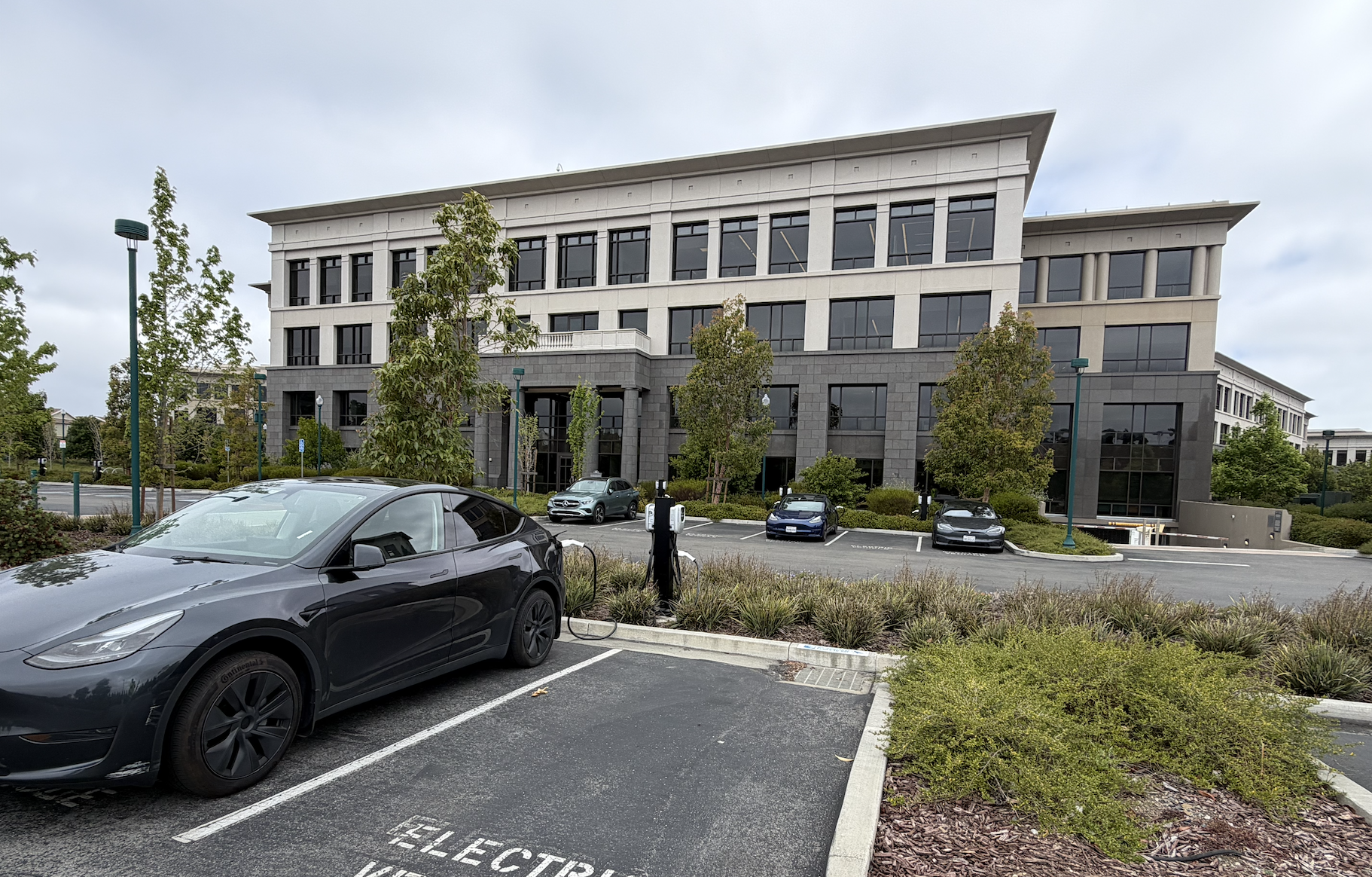
The legacy chargers had two structural problems Franklin Templeton needed to solve at the same time.
Problem 1 — No visibility. The old units were non-networked. There was no way to see who was charging, how often, or whether the units were even online without sending someone to physically check. For a campus of this size, that’s not a sustainable operating model.
Problem 2 — No access control on the public-side stations. Franklin Templeton offers EV charging as a free perk for employees and does not bill for sessions. That’s intentional — it’s a benefit, not a revenue line. But “free” without access control creates an obvious risk: chargers in the publicly accessible portion of the property can be used by anyone who pulls in off the street, including non-employees who would consume the very capacity meant for the workforce. The team needed a way to keep charging genuinely free for employees while making sure only employees could actually start a session.
“We wanted to offer charging to our employees as a perk — free, easy, and reliable. But because it’s free, we also needed to make sure non-employees couldn’t just walk up and plug in. The CyberSwitching and Epic Charging combination gave us exactly that: open access for our people, closed access for everyone else.”
Franklin Templeton Facilities Team
EVcharge4U and Franklin Templeton selected the CyberSwitching CSE3 as the replacement hardware platform, paired with Epic Charging for network management and a dual-method access control model designed around employee badges and a corporate mobile-app rollout.
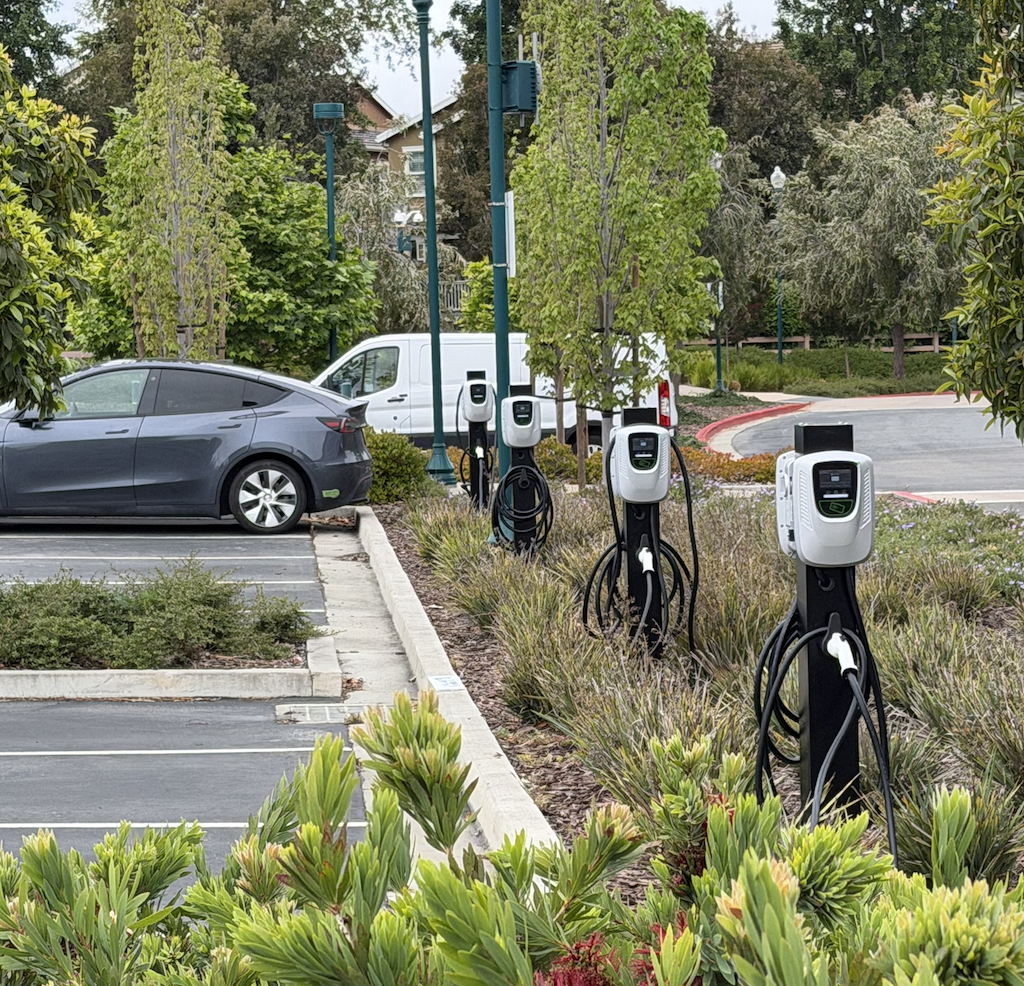
The CSE3 is CyberSwitching’s commercial-grade Level 2 charger, built for high-utilization workplace and fleet environments. Compared with the legacy non-networked units it replaced, the CSE3 brings full network connectivity, remote diagnostics, and centralized access management to every port on the property. For a corporate campus, that’s the difference between equipment you have to chase down and equipment you can manage from a dashboard.
All 28 units were sourced and installed as identical replacements for the legacy hardware footprint, minimizing electrical rework and keeping the upgrade contained to a swap rather than a redesign.
Because charging is free, access control became the single most important configuration decision in the deployment. Epic Charging’s platform supports two parallel methods on the CSE3:
Either method works on either zone of the property. Non-employees pulling into a publicly accessible stall simply cannot start a session, because the chargers will not authorize an unknown RFID or app credential.
The 28 CSE3 units were split across two physically distinct areas of the San Mateo property:
Even though the gated zone already restricts entry, applying the same RFID/app authorization across both areas keeps the deployment uniform: one configuration, one set of policies, one place for facilities to manage the entire fleet.
All 28 CSE3 chargers are networked, monitored, and managed through Epic Charging’s CPMS. The platform handles credential provisioning, session logging, real-time status, remote diagnostics, and reporting, with U.S.-based support backing the day-to-day operation. Compared with the legacy non-networked setup, Franklin Templeton’s facilities team now has a complete operating picture of the charging fleet in a single dashboard.
Franklin Templeton’s San Mateo campus moved from a fleet of non-networked, hard-to-manage chargers to a centrally administered, access-controlled set of 28 networked CSE3 stations — without losing the employee-perk model that the company wanted to preserve.
Employees keep free charging on both public-side and gated stalls. The facilities team gets visibility, remote management, and the ability to revoke a credential the moment an employee leaves the company. And the public-side stalls, which previously were a soft entry point for outside drivers, are now usable only by authorized badges or app accounts.
For a corporate campus, that combination — free for employees, closed to everyone else, fully networked — is what employee EV charging is supposed to look like.
| Customer | Franklin Templeton |
| Location | San Mateo, CA |
| Property Type | Corporate workplace campus |
| Project Type | Replacement of legacy non-networked chargers |
| Charger Model | CyberSwitching CSE3 (Level 2) |
| Units Deployed | 28 |
| Site Layout | Publicly accessible parking and gated employee parking |
| Access Control | RFID cards and Epic Charging mobile app |
| User Group | Employees (free, perk-based charging) |
| Network & Software | Epic Charging CPMS |
| Pricing to Employees | $0 / session (employer-paid) |
| Status | Installed & operational |
Planning a workplace EV charging upgrade for your corporate campus? Get in touch with CyberSwitching.